Neve Phillips / Case study
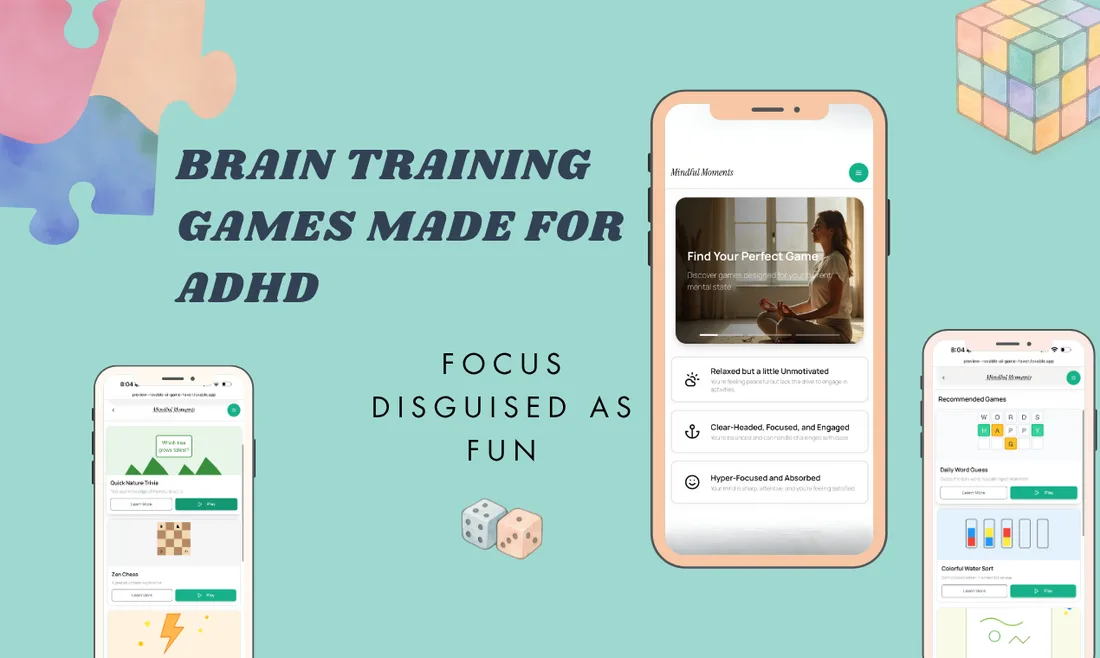
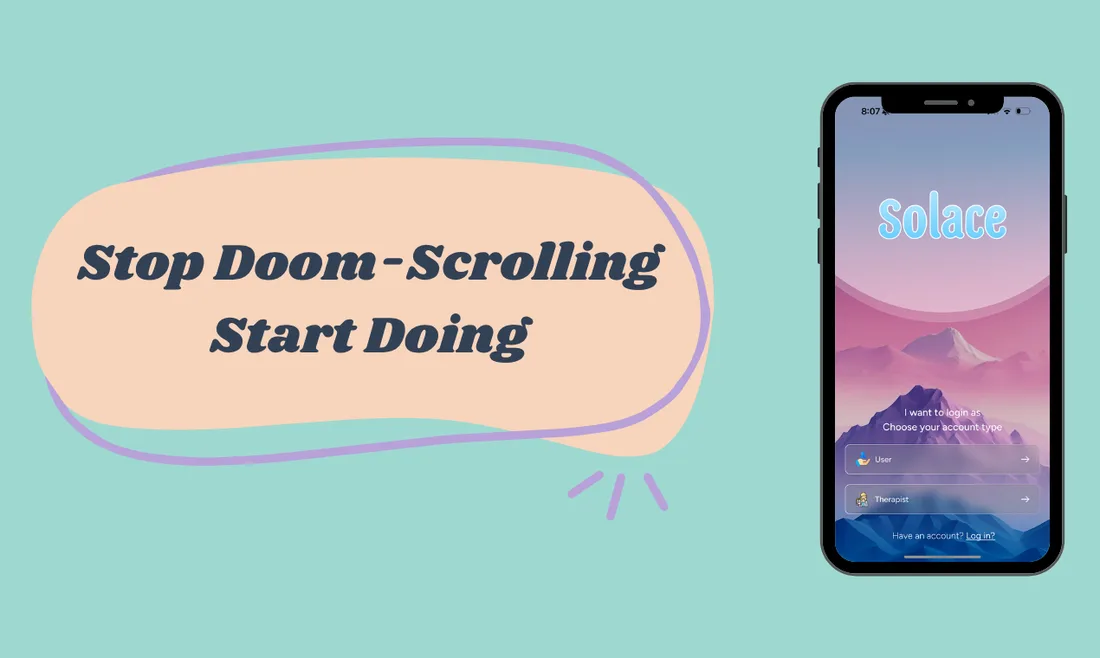
Solace: help for ADHD brains, matched to how you feel right now.
A cross-platform mental-health app grounded in autonomic nervous-system science — live on the App Store and Google Play, built end-to-end by one person with no engineering budget.
The problem
Most mental-health apps hand everyone the same meditation, regardless of what their nervous system is actually doing. For ADHD brains — where dysregulation swings between shutdown, restlessness, and overwhelm, sometimes in one afternoon — that's close to useless. A breathing exercise that helps when you're anxious does nothing when you're burnt out and can't start anything.
This one was personal. Before I was diagnosed with ADHD, I'd already spent years building my own coping methods — Post-it notes that broke tasks into tiny, dopamine-rewarding steps. Solace is that instinct, taken seriously: months of research into autonomic nervous-system science, customer discovery interviews, ADHD community surveys, and competitor mapping, all pointing at the same gap. Nobody offered in-the-moment regulation tools matched to your current state.
The model
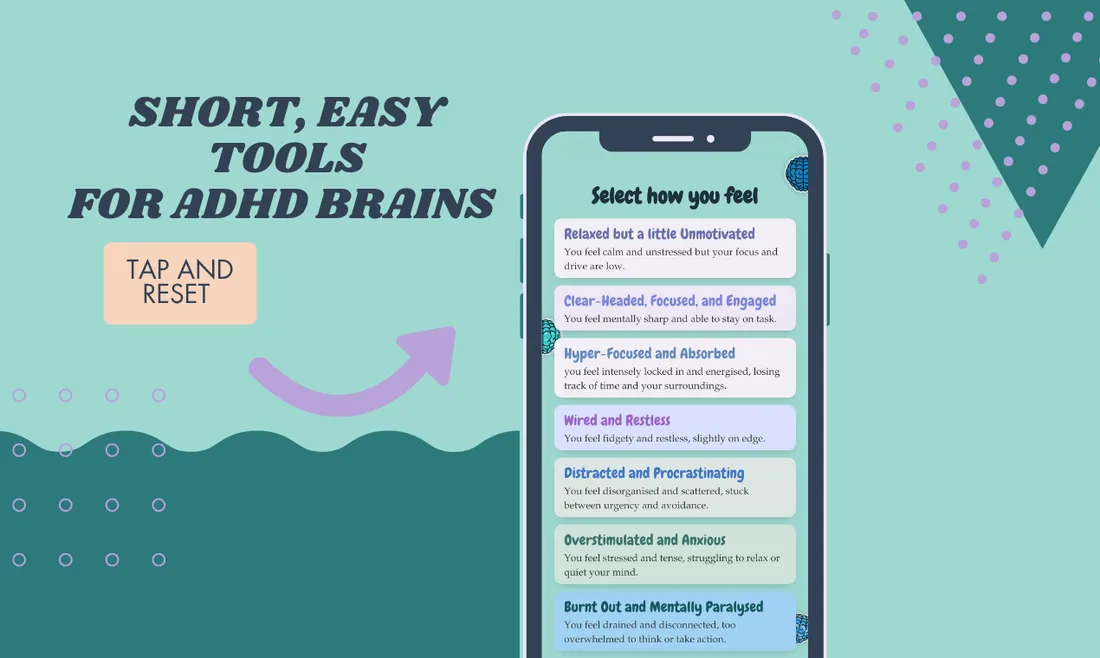
Seven states, not one-size-fits-all.
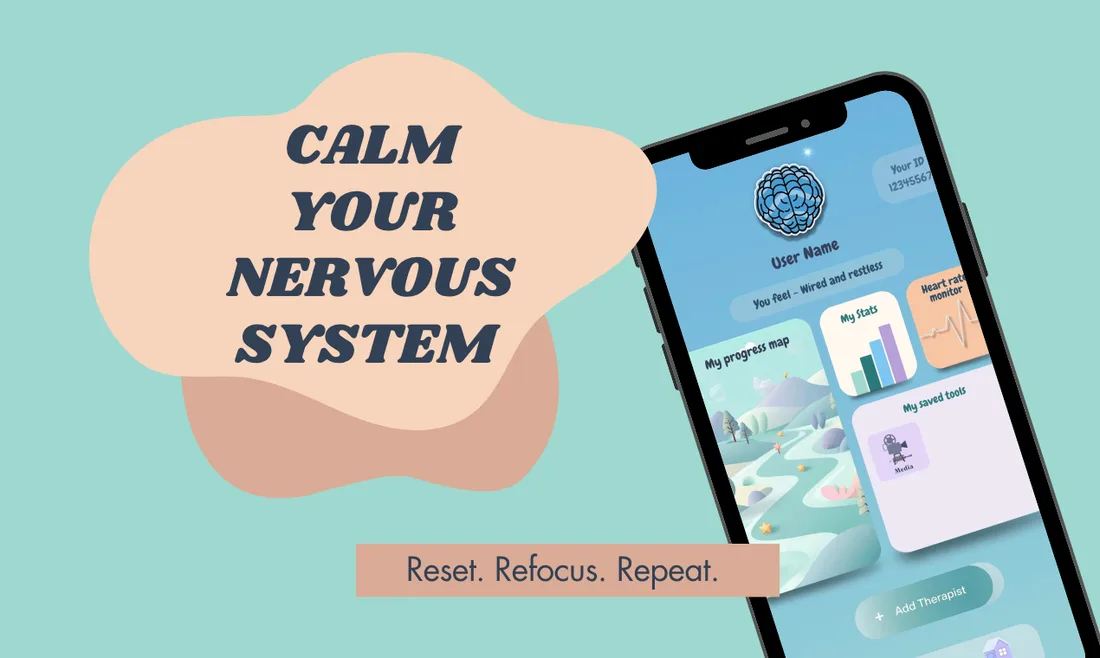
The core of Solace is a seven-state model of the autonomic nervous system. You tell the app how you feel; it matches you to a short tool designed for exactly that state. I designed the model and validated it in collaboration with practising therapists.
How it was built
Every stage meant learning a new discipline.
I had no engineering budget and no team, so I taught myself to build with layered AI workflows — Claude and GPT-4 for research synthesis and code, Lovable and Replit for prototyping. The stages below are chronological; each one was a discipline I hadn't done before.
Research & discovery
Months of research into autonomic nervous-system science and existing interventions. Customer discovery interviews, ADHD community surveys, competitor mapping, and market sizing — which surfaced the gap Solace fills.
Science & design
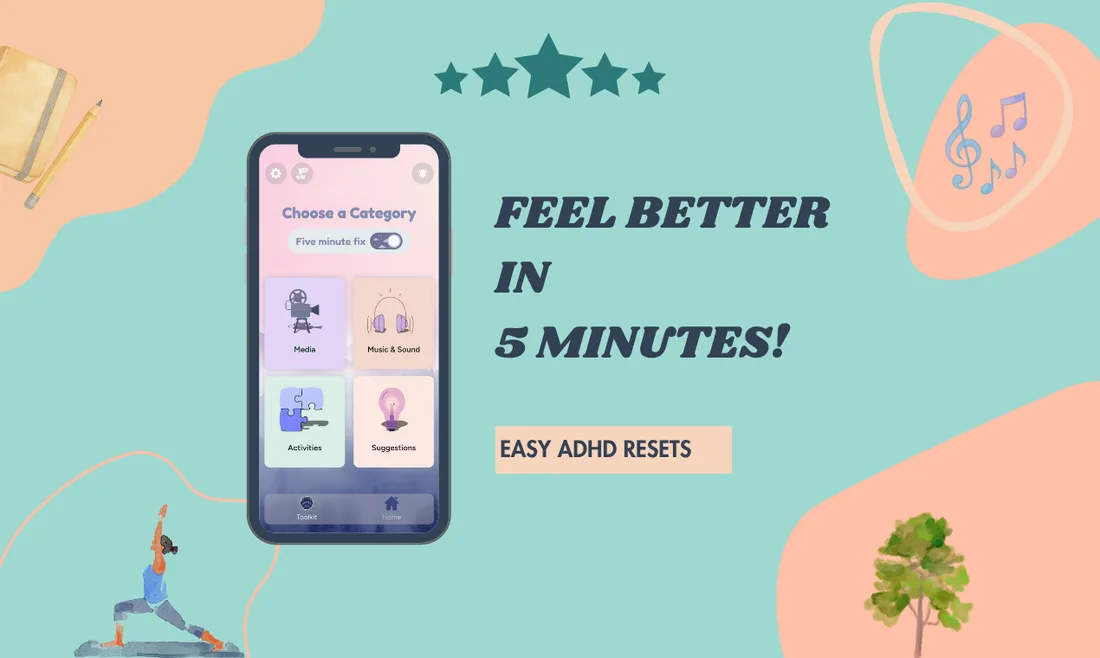
Designed the seven-state model and the intervention engine behind it. Taught myself Figma for wireframes, flows, and prototypes — accessibility-first UX for ADHD minds: short interactions, clear hierarchy, minimal cognitive load.
Build
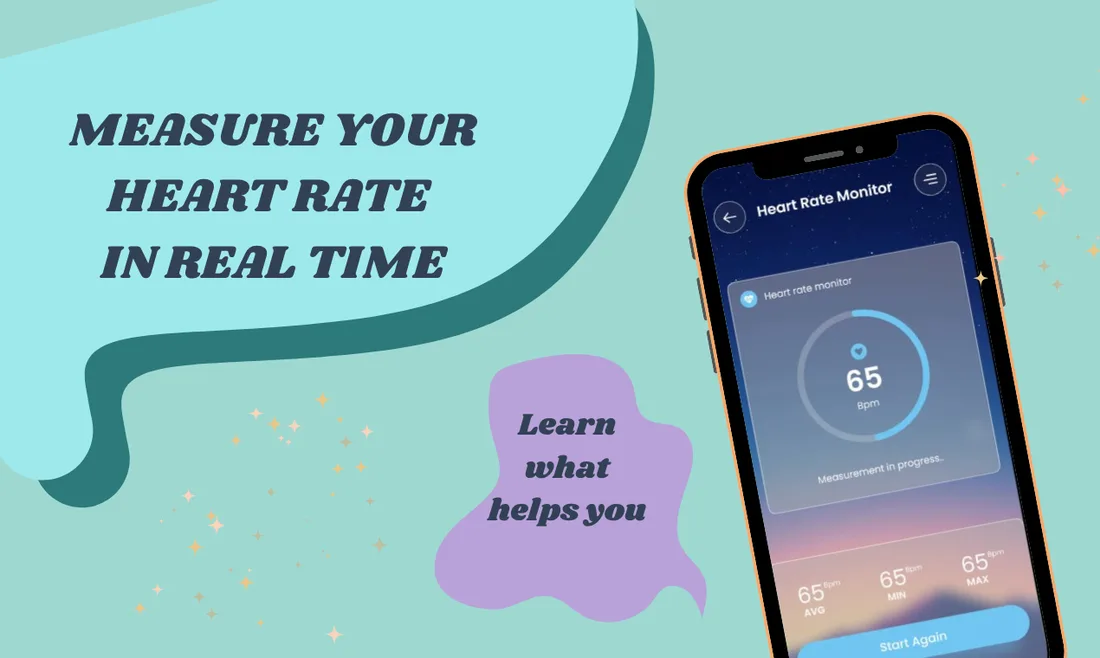
Layered AI development: Claude and GPT-4 for synthesis, code, and prompt engineering; the app's 150+ interactive regulation activities built across AI tools, 35+ of them in Lovable; media created in InVideo; a real-time heart-rate monitor using the phone camera.
Testing & clinical input
Structured alpha and beta testing with 45 testers, 20 of them with ADHD. Worked with therapists to validate the interventions and the model itself; iterated the state selector, activity flows, and onboarding from tester feedback.
Business & strategy
Full business plan: subscription model via RevenueCat, demographics and market sizing, unit economics, retention benchmarks, and a mapped monetisation funnel — plus B2B exploration with schools, universities, and corporate wellness.
Launch
Shipped on iOS and Android. Learned app store optimisation from scratch — keywords, screenshots, descriptions, creative assets — and iterated the store listings to grow conversion and visibility.
Growth & marketing
TikTok campaigns with iterative optimisation, AI agents scheduling and posting social content, all creative designed by me, and A/B tests across creatives, copy, and targeting to bring acquisition costs down.
Analytics
Full-funnel tracking from impression to paid conversion — daily velocity, cohort retention, DAU/MAU, ARPPU. Every product and creative decision ran through the data.
Onboarding originally took six steps. Testers with ADHD were dropping out before they ever reached a tool — which is exactly the failure the app exists to prevent. I cut onboarding to a single step, and retention rose by 30 points.
Evidence
Tested with the people it's for.
Across structured alpha and beta rounds with 45 testers — 20 of them with ADHD — 89% reported relief within five minutes of using a matched tool, and 93% preferred Solace to competitor apps they'd tried. After launch, every key store metric grew quarter on quarter.
Q1 → Q2, both stores
downloads +119% · proceeds +207% · impressions +166% · sessions +134%
What's next
Solace is moving toward B2B — universities and businesses whose people need regulation tools at the moment of need, not a wellness portal they never open. Meanwhile I've trained AI agents to handle operational work like content scheduling, so my own time goes to strategy, product, and growth.
← Back to selected work